
The Roots of Periodontics: Types and Major Disorders Explored

In the vast landscape of dentistry, one branch stands out for its focus on the supporting structures of teeth: Periodontics. Originating from ancient times and evolving with modern advancements, Periodontics delves into the gums, bones, and ligaments that surround and support our teeth. This blog aims to unravel the origins of Periodontics, explore its types, and shed light on major disorders associated with it.
Origins of Periodontics:
The roots of Periodontics trace back to ancient civilizations where early forms of dental care emerged. Ancient Egyptians are believed to have developed rudimentary toothpaste and tooth powders to maintain oral hygiene. Similarly, the Greeks and Romans contributed to dental knowledge, recognizing the importance of healthy gums and teeth.
However, it wasn’t until the 20th century that Periodontics began to emerge as a distinct field within dentistry. Dr. Willoughby D. Miller’s groundbreaking research in the late 19th century laid the foundation for understanding the role of bacteria in gum disease. His work paved the way for modern Periodontics, which encompasses the prevention, diagnosis, and treatment of diseases affecting the gums and supporting structures of teeth.
Types of Periodontal Diseases:
Periodontal diseases encompass a range of conditions that affect the gums and surrounding tissues. The two main types of periodontal diseases are:
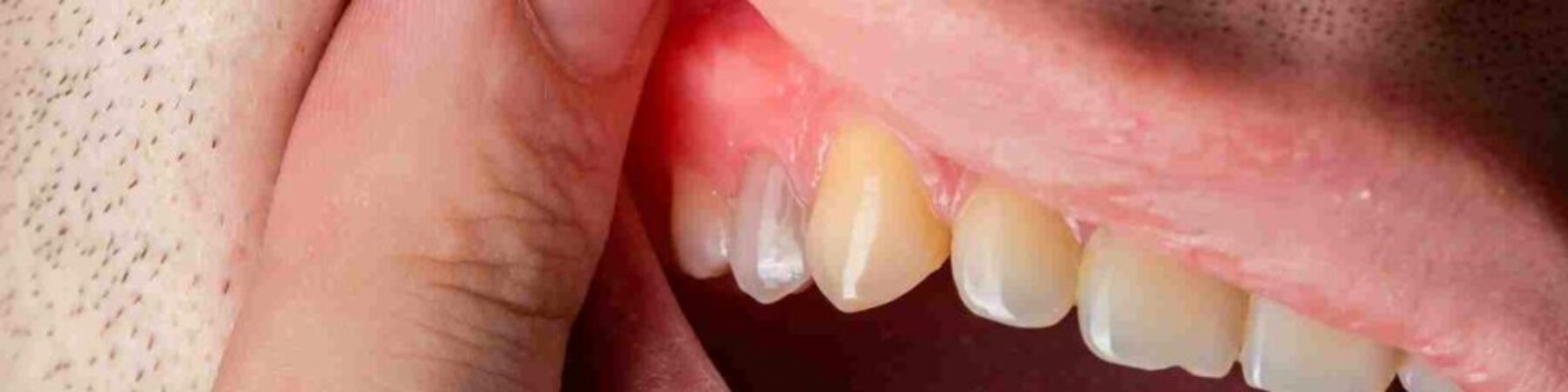
- Gingivitis: Gingivitis is the mildest form of periodontal disease, characterized by inflammation of the gums. It is often caused by poor oral hygiene, leading to the buildup of plaque and bacteria along the gumline. Symptoms include red, swollen gums that may bleed during brushing or flossing. Fortunately, gingivitis can be reversed with proper oral hygiene and professional dental care.
- Periodontitis: If left untreated, gingivitis can progress to periodontitis, a more severe form of gum disease. Periodontitis involves the inflammation and infection of the gums, leading to the destruction of the supporting bone and tissues around the teeth. Symptoms include receding gums, deepening pockets between the gums and teeth, and loose or shifting teeth. Periodontitis requires prompt intervention by a dentist or periodontist to prevent further damage and tooth loss.
Major Disorders Associated with Periodontics:
Several major disorders are closely linked to Periodontics, each presenting its own set of challenges and treatment approaches. Some of the most notable disorders include:
- Chronic Periodontitis: Chronic periodontitis is the most common form of periodontal disease, characterized by progressive inflammation and destruction of the gums and supporting tissues. It often develops slowly over time and can lead to tooth loss if left untreated.
- Aggressive Periodontitis: Aggressive periodontitis is a less common but more severe form of gum disease that tends to occur in younger individuals. It progresses rapidly and can cause significant damage to the gums and bone surrounding the teeth.
- Periodontal Abscess: A periodontal abscess is a localized collection of pus within the gums, typically caused by a bacterial infection. It can lead to pain, swelling, and inflammation and may require drainage and antibiotic treatment.
Conclusion:
Periodontics stands as a crucial pillar of dental care, focusing on the health and integrity of the supporting structures of our teeth. From its ancient roots to modern-day advancements, Periodontics has evolved to address a range of disorders that affect the gums and surrounding tissues. By understanding the origins, types, and major disorders associated with Periodontics, we can better appreciate the importance of maintaining good oral hygiene and seeking timely dental care.
